
Date : 04/04/2025 |
The role of technology in the modern real estate transactions?
Technology has transformed modern real estate transactions, streamlining processes, enhancing transparency, and improving efficiency for buyers, sellers, agents, and investors. Here’s a breakdown of its key roles -
1. Property Search and Discovery -
Online Platforms : Websites like Zillow, Redfin, and Realtor.com, 85inches.com allow users to browse listings, filter by price, location, and features, and view high-quality photos or videos—all from anywhere. This has largely replaced driving around neighborhoods or relying solely on agents for options.
Virtual Tours: 3D tours (e.g., Matterport) and video walkthroughs let buyers explore properties remotely, saving time and expanding the market to out-of-state or international buyers.
Big Data and AI: Algorithms analyze market trends, predict property values, and suggest listings tailored to buyer preferences, making searches more precise.
2. Valuation and Pricing-
Automated Valuation Models (AVMs): Tools like Zestimate or Redfin’s pricing engine use data (past sales, local trends) to estimate property values instantly, helping sellers price competitively and buyers assess fairness.
Market Analytics: Real-time data on supply, demand, and appreciation rates (e.g., from MLS or CoreLogic) empowers better decision-making.
3. Transaction Management-
Digital Paperwork: E-signature platforms like DocuSign eliminate the need for in-person signings, speeding up offers, contracts, and closings. Entire deals can now be paperless.
Cloud-Based Collaboration: Agents, lenders, and title companies share documents securely in real time, reducing delays from lost paperwork or miscommunication.
Blockchain: Emerging use in title transfers and smart contracts ensures secure, tamper-proof records, cutting fraud risk and intermediary costs (though still niche as of 2025).
4. Financing and Payments-
Online Mortgage Tools: Platforms like Rocket Mortgage offer pre-approvals, rate comparisons, and applications in minutes, often with AI-driven underwriting for faster approvals.
Digital Payments: Escrow, earnest money, and closing costs can be handled via apps like PayPal, Venmo, or wire transfers, reducing reliance on checks.
Crowd funding: Platforms like Fundrise or RealtyMogul let smaller investors pool funds for properties, democratizing access to real estate.
5. Marketing and Outreach-
Social Media and Ads: Agents use targeted ads on Instagram, X, or Facebook to reach buyers, while drone footage and polished listings amplify appeal.
SEO and Websites: Personalized agent or brokerage sites rank higher on Google, drawing organic traffic from motivated buyers or sellers.
Email Automation: CRMs like HubSpot nurture leads with updates on new listings or market shifts.
6.Due Diligence and Transparency-
Property History Tools: Services like Property Shark or ATTOM Data provide flood zones, past sales, or lien info, helping buyers avoid surprises.
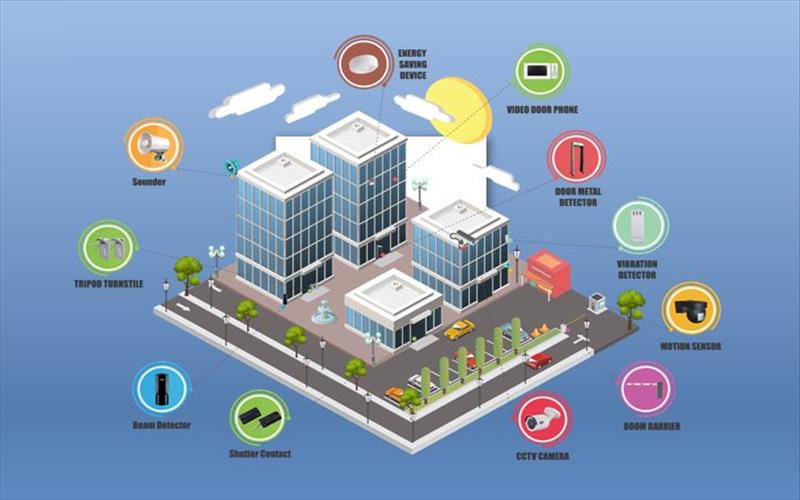
Remote Inspections: Drones or smart home devices (e.g., connected cameras) allow inspectors to assess properties without always being onsite.
Review Platforms: Sites like Yelp for agents or lenders build trust through public feedback.
7. Closing and Post-Sale-
Remote Closings: Notary apps (e.g., Notarize) and video conferencing enable closings from anywhere, a trend accelerated by the pandemic and now standard.
Smart Home Integration: Post-sale, buyers inherit tech like smart locks or thermostats, often linked to property management apps for rentals.
Speed: Transactions that once took months can now close in weeks or days.
Access: Buyers and sellers in remote areas or with limited mobility participate more easily.
Cost Savings: Fewer physical processes cut fees (e.g., travel, printing), though tech subscriptions add new expenses.
Competition: Wider reach increases buyer pools, sometimes driving up prices.
Tech Dependence: Glitches, outages, or cyber threats (e.g., hacking escrow accounts) pose risks.
Learning Curve: Older clients or agents may resist adopting tools.
Impersonal Feel: Some miss the human touch of traditional deals.
In 2025, technology’s role is central—most transactions involve at least one digital step, and fully analog deals are rare.
Disclaimer
The 85inches Realty clearly disclaims all liability in respect to actions taken or not taken based on any or all the contents of this Blog. The content of this blog is collation of data from various sources and is provided only for information purpose only and 85inches Realty does not canvass the particulars, information, brand or any other materials mentioned in the blogs nor does it obtain any monetary benefit from the same.The 85inches Realty shall in no circumstance be held liable for any expense, loss or damage including, without limitation, direct, indirect or consequential loss or damage, or any other expense, loss or damage whatsoever arising from the use of data, information, interpretation, judgement or opinion arising out of or in connection with the use of this Blog. Reader is advised to read and apply his/ her intellect and discretion in this regards.
Recent Blog






Popular Blog

The Impact of Infrastructure Development on Varanasi Real Estate ?
15/04/2025 | 1997



Why do you need to take home inspection services before buying it ?
15/04/2025 | 1956

How can housing societies tackle non-payment of maintenance charges?
16/06/2025 | 1858