Date : 15/04/2025 |
Varanasi's Real Estate Market : A Focus on Accessibility and Connectivity?
Varanasi’s real estate market has been steadily evolving,
with accessibility and connectivity emerging as key drivers of its growth. As a
historic city and spiritual epicenter, Varanasi has traditionally drawn
millions of pilgrims and tourists annually. However, recent infrastructure
upgrades and urban development initiatives have broadened its appeal,
positioning it as an attractive hub for real estate investment. The interplay
between enhanced transportation networks and property demand underscores this
transformation, making accessibility and connectivity pivotal to understanding
the market’s trajectory as of April 6, 2025.
Accessibility in Varanasi has improved dramatically, thanks to a series of ambitious infrastructure projects. The expansion of Lal Bahadur Shastri International Airport, including a new terminal and runway extensions, has boosted air connectivity, reducing travel time to major Indian cities and drawing more visitors and investors. The airport’s capacity to handle increased passenger traffic—coupled with its unique “runway over the highway” feature—has made areas like Babatpur and nearby suburbs more appealing for residential and commercial development. Meanwhile, road networks have seen significant upgrades. The Varanasi Ring Road, with Phase 3 nearing completion and one lane set to open by May 2025, promises seamless connectivity to Mugalsarai and Bihar, easing traffic congestion and opening up peripheral areas like Rohaniya and Kachhawa Road for real estate projects. The upcoming 610 km Varanasi-Kolkata Expressway, with work already underway near the Ring Road, will slash travel time to Kolkata to 6.5–7 hours, further integrating Varanasi into a broader economic corridor and enhancing its investment potential.
The proposed Varanasi Metro, a 29.235 km light rail system with two corridors—BHEL to BHU and Benia Bagh to Sarnath—aims to alleviate traffic woes and link key cultural and educational hubs. Though still in planning, its anticipated impact on real estate is substantial, with properties along these routes, such as in Shivpur, Lanka, and Sarnath, likely to see price surges once operational. The Varanasi Ropeway, India’s first urban ropeway project, will connect Varanasi Cantonment Railway Station to Godowlia Chowk in just 15 minutes—a stark reduction from the current 45–50 minutes—making central areas more accessible and boosting demand for nearby commercial spaces. Additionally, a new 1.18 km elevated road from Kasturba Gandhi Vidyalaya on the Ring Road to Sarnath Railway Station, set to begin construction in April 2025, will streamline access to this Buddhist tourism hotspot, potentially spurring hospitality and retail growth in the vicinity.
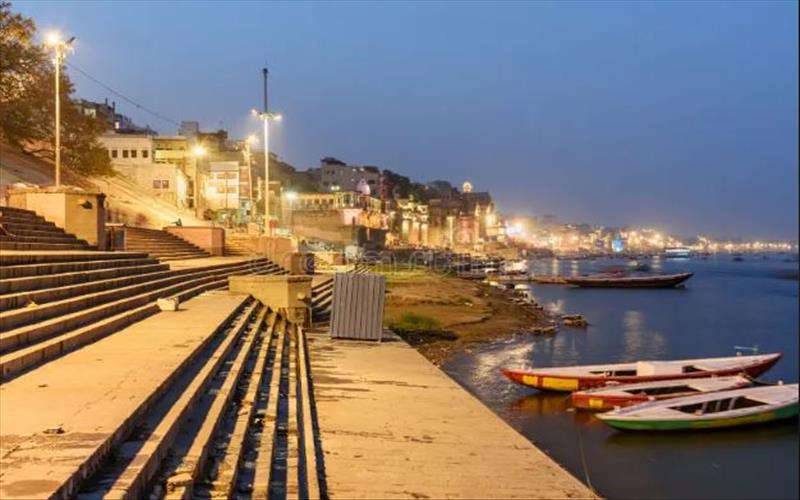
These developments have a direct bearing on Varanasi’s real estate market. Enhanced connectivity tends to elevate property values, as seen in cities like Bangalore and Hyderabad, where metro lines and expressways have driven residential and commercial booms. In Varanasi, areas like Varanasi Cantonment, Sigra, and Chitaipur—already popular for their proximity to transit hubs—are witnessing increased interest from developers and buyers. The average residential price, hovering around ₹6,200 per square foot, remains competitive compared to metro cities, offering room for appreciation as infrastructure matures. Peripheral localities such as Shivpur and Paharia, benefiting from airport and Ring Road access, are emerging as hotspots for affordable housing and plotted developments, with rental yields drawing investors. Commercial real estate, particularly near the ghats and tourist corridors like Benia Bagh, is also thriving, fueled by the Kashi Vishwanath Corridor’s success in expanding pilgrim footfall and revitalizing the core city.
However, the market isn’t without challenges. Rapid urbanization strains Varanasi’s aging infrastructure, with narrow lanes and drainage issues persisting in older areas. Heritage preservation rules can limit large-scale development near the ghats, while land acquisition delays—like those for the airport expansion costing ₹930 crore—slow progress. Still, the government’s focus on Varanasi as a Smart City and spiritual tourism hub, backed by projects worth thousands of crores under initiatives like the Kashi Vishwanath Corridor, signals sustained growth. Posts on X highlight ongoing sentiment around these changes, with users noting both the transformative potential of projects like the Ring Road and metro, and the need to address local bottlenecks like traffic and civic amenities.
In essence, Varanasi’s real estate market is riding a wave of improved accessibility and connectivity, reshaping its urban fabric. For investors and residents, this means a market ripe with opportunity—where strategic locations tied to new infrastructure promise both immediate returns and long-term value. Yet, the pace of this growth will hinge on balancing modernization with the city’s unique cultural identity, ensuring that connectivity doesn’t come at the cost of character.Disclaimer
The 85inches Realty clearly disclaims all liability in respect to actions taken or not taken based on any or all the contents of this Blog. The content of this blog is collation of data from various sources and is provided only for information purpose only and 85inches Realty does not canvass the particulars, information, brand or any other materials mentioned in the blogs nor does it obtain any monetary benefit from the same.The 85inches Realty shall in no circumstance be held liable for any expense, loss or damage including, without limitation, direct, indirect or consequential loss or damage, or any other expense, loss or damage whatsoever arising from the use of data, information, interpretation, judgement or opinion arising out of or in connection with the use of this Blog. Reader is advised to read and apply his/ her intellect and discretion in this regards.
Recent Blog



Popular Blog
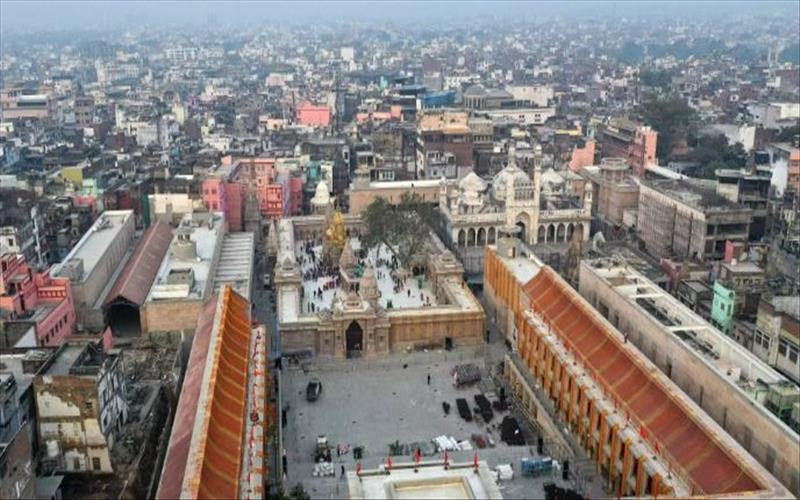
The Impact of Infrastructure Development on Varanasi Real Estate ?
15/04/2025 | 1997

Why do you need to take home inspection services before buying it ?
15/04/2025 | 1956
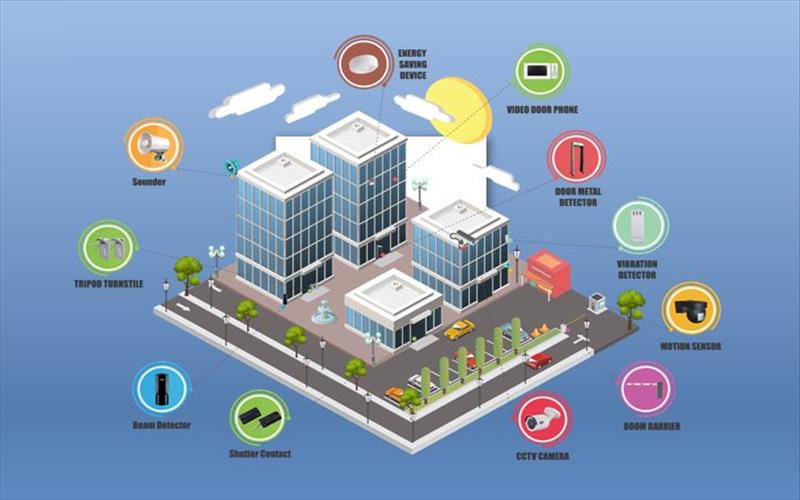
How can housing societies tackle non-payment of maintenance charges?
16/06/2025 | 1858