Date : 03/07/2025 |
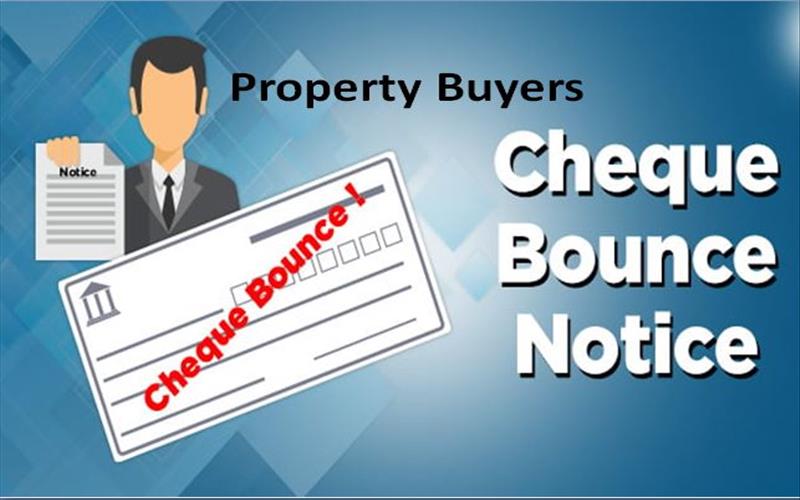
Property registration is cancelled ? if a cheque is not cleared that mentioned in sale deed.
Whether a property registration is canceled due to a cheque
not clearing, as mentioned in a sale deed, depends on the specific terms of the
sale deed, the stage of the registration process, and the applicable laws in
the jurisdiction. Below is a clear explanation of the scenarios and legal
implications, with a focus on the general process and specific reference to
India (since the context and use of "cheque" suggest relevance to
Indian law):
General Outline
1. Sale Deed and Payment Terms:
- A sale deed is a legal document that transfers property ownership from the seller to the buyer. It typically includes details of the payment, such as the amount, mode and timeline.
- If the cheque mentioned in the sale deed does not clear (e.g., bounces due to insufficient funds), it constitutes a breach of the agreement, as the buyer has failed to fulfill the payment obligation.
2. Impact on Property Registration:
- Registration Completed: If the sale deed has already been registered with the Sub-Registrar (i.e., the property title has been legally transferred), cancellation due to a bounced cheque is not automatic. Registration is a legal formality that confirms the transfer of ownership, and reversing it typically requires a court order or mutual agreement.
- Registration Pending: If the cheque bounces before the sale deed is registered, the seller may refuse to proceed with registration until payment is cleared, as the transfer of ownership is contingent on receiving the agreed consideration.
3. Cancellation of
Registration:
- Cancellation of a registered sale deed is complex and not automatic. It typically requires:
- Mutual Consent: Both parties agree to cancel the sale deed and execute a cancellation deed.
- Court Intervention: If the buyer fails to pay, the seller may approach a court to seek cancellation of the sale deed on grounds of non-payment or fraud.
- Fraud or Misrepresentation: In some jurisdictions, if the buyer knowingly issued a cheque without sufficient funds, it may be considered fraud, providing grounds for cancellation.
- Specific Clauses: If the sale deed explicitly states that the transfer is void or subject to cancellation if the cheque does not clear, the seller may have a stronger case to challenge the registration.
Specific case in India -
In India, property registration is governed by the Registration Act, 1908, and cheque dishonor is addressed under the Negotiable Instruments Act, 1881 (Section 138). Here’s how the situation is handled:
1. Registered Sale Deed:
- Once a sale deed is registered with the Sub-Registrar, the property title legally transfers to the buyer. A bounced cheque does not automatically cancel the registration. The seller would need to:
- File a Legal Notice: Under Section 138 of the Negotiable Instruments Act, the seller can issue a notice within 30 days of the cheque bouncing, demanding payment within 15 days. If the buyer fails to pay, the seller can file a criminal case.
- Approach a Civil Court: The seller can file a civil suit to recover the unpaid amount or seek cancellation of the sale deed on grounds of non-payment or breach of contract. Courts may cancel the sale deed if it’s proven that the payment was a condition precedent to the transfer and the buyer’s default constitutes a fundamental breach.
- Grounds for Cancellation: Cancellation is possible if the sale deed explicitly links the validity of the transfer to the clearance of the cheque or if fraud is proven (e.g., the buyer knowingly issued a bad cheque). Section 31 of the Specific Relief Act, 1963, allows courts to cancel a registered document in cases of fraud, mistake, or non-fulfillment of conditions.
2. Unregistered Sale Deed:
- If the cheque bounces before registration, the seller can refuse to proceed with the registration process, as the payment is typically a prerequisite for completing the transfer. The seller may also retain any advance or earnest money (if specified in the agreement) and terminate the deal.
3. Practical Challenges:
- Sub-Registrar’s Role: The Sub-Registrar does not typically verify cheque clearance before registering a sale deed. If the cheque is presented at the time of registration and later bounces, the registration remains valid unless legally challenged.
- Time and Cost: Canceling a registered sale deed involves legal proceedings, which can be time-consuming and costly. Courts will examine the sale deed’s terms, the intent of the parties, and evidence of non-payment.
- Sale Deed Clauses: Check the sale deed for specific clauses about payment conditions. If it states that the transfer is contingent on cheque clearance, the seller has a stronger case to challenge the registration or refuse to complete the process.
- Advance Payment: If the buyer paid part of the amount (e.g.- earnest money) and the cheque for the remaining amount bounces, the seller may forfeit the advance (if allowed by the agreement) and seek legal remedies for the balance.
- Jurisdictional Variations: Laws differ by country. In India, cancellation requires judicial intervention, while in other jurisdictions (e.g.- the U.S.), non-payment may lead to civil remedies rather than automatic cancellation.
Careful Steps -
1. For the Seller:
- Verify the cheque’s status immediately after it bounces.
- Send a legal notice to the buyer demanding payment (e.g- within 15 days in India).
- Consult a lawyer to file a criminal case (under Section 138 in India) or a civil suit for recovery or cancellation of the sale deed.
- If registration is pending, withhold registration until payment is cleared.
- If the sale deed is registered, file a suit in a civil court to seek cancellation, citing non-payment or fraud.
2. For the Buyer:
- If the cheque bounced due to an error (e.g- insufficient funds), immediately arrange alternative payment (e.g- bank transfer, demand draft) to avoid legal action.
- Respond to any legal notice promptly and seek legal advice to negotiate or resolve the issue.
- If the non-clearance was unintentional, provide evidence to the seller or court to avoid cancellation or penalties.
3. Preventive Measures :
- Secure Payment Methods: Use bank transfers (RTGS/NEFT), demand drafts, or escrow accounts instead of cheques to ensure payment certainty.
- Clear Sale Deed Terms: Include clauses in the sale deed specifying that the transfer is void or subject to cancellation if the cheque does not clear.
- Verify Funds: The seller should verify the buyer’s financial capacity before accepting a cheque.
- Escrow Mechanism: Use an escrow account to secure funds before registration.
A bounced cheque mentioned in a sale deed does not automatically cancel a registered property transfer. If the sale deed is already registered, the seller must seek legal remedies (e.g- court-ordered cancellation or recovery of funds). If registration is pending, the seller can halt the process. In India, the seller can pursue action under the Negotiable Instruments Act for cheque dishonor and seek civil remedies for cancellation under the Specific Relief Act. Always consult a lawyer to review the sale deed and local laws for specific remedies.
Disclaimer
The 85inches Realty clearly disclaims all liability in respect to actions taken or not taken based on any or all the contents of this Blog. The content of this blog is collation of data from various sources and is provided only for information purpose only and 85inches Realty does not canvass the particulars, information, brand or any other materials mentioned in the blogs nor does it obtain any monetary benefit from the same.The 85inches Realty shall in no circumstance be held liable for any expense, loss or damage including, without limitation, direct, indirect or consequential loss or damage, or any other expense, loss or damage whatsoever arising from the use of data, information, interpretation, judgement or opinion arising out of or in connection with the use of this Blog. Reader is advised to read and apply his/ her intellect and discretion in this regards.
Recent Blog




Popular Blog
The Impact of Infrastructure Development on Varanasi Real Estate ?
15/04/2025 | 1997

Why do you need to take home inspection services before buying it ?
15/04/2025 | 1957
How can housing societies tackle non-payment of maintenance charges?
16/06/2025 | 1858