Date : 21/04/2025 |
Varanasi's Architectural Heritage: How Ancient Designs Influence Modern Real Estate ?
Varanasi, one of the oldest living cities in the world, is a
treasure trove of architectural heritage that seamlessly blends the ancient
with the modern. Its unique designs—rooted in spirituality, functionality, and
environmental harmony—continue to inspire contemporary real estate, not just
locally but globally. Let’s break this down -
Ancient Designs: The Core Elements: -
Varanasi’s architectural legacy is shaped by its role as a Hindu pilgrimage center and its location along the Ganges. Traditional designs reflect a deep understanding of Vastu Shastra and practical adaptations to the region’s climate and culture:
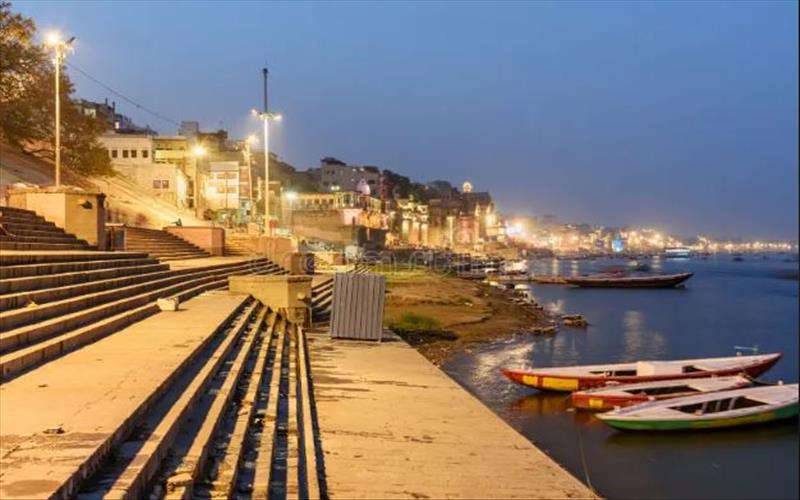
Ghats and Courtyards: - The iconic stepped ghats along the river weren’t just aesthetic—they managed floods and facilitated rituals. Homes often featured inner courtyards for ventilation and community interaction, a response to the hot, humid climate.
Narrow Lanes and Organic Layouts :- The city’s labyrinthine streets evolved organically, prioritizing pedestrian movement and shade over rigid grids. This minimized heat exposure and fostered a sense of intimacy.
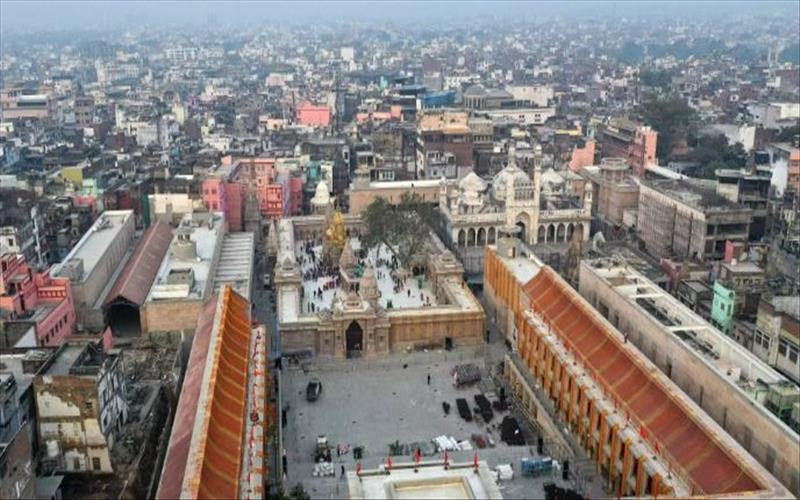
Temples and Symbolism : - Structures like the Kashi Vishwanath Temple showcase intricate carvings, domes, and spires that symbolize cosmic order. Materials like stone and brick were chosen for durability and spiritual resonance.
Sustainability: Homes used locally sourced materials—sandstone, wood, lime plaster—and passive cooling techniques, like thick walls and high ceilings, long before "green design" became a buzzword.
Today, architects and developers draw heavily from Varanasi’s heritage to craft spaces that feel timeless yet functional. Here’s how:
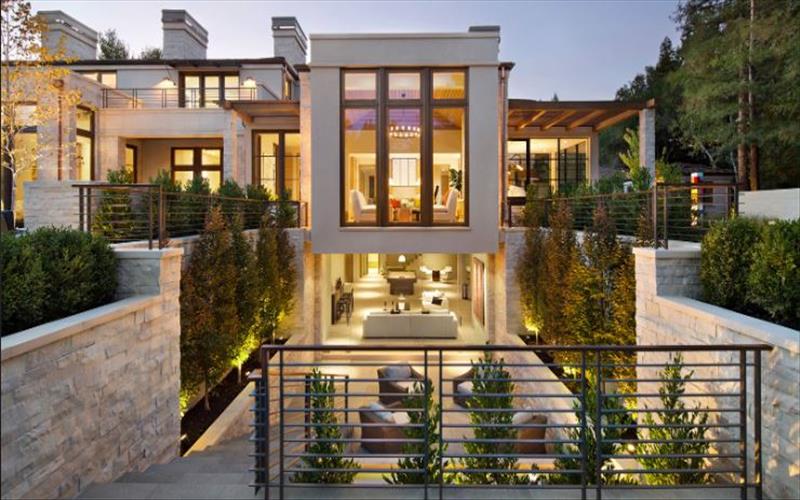
Blending Old and New:- Modern residential projects in Varanasi—and even beyond—often mimic the courtyard model. For instance, luxury homes might feature open-air atriums that echo the traditional angan (courtyard), providing natural light and airflow while nodding to cultural roots.
Riverfront Inspiration:- The ghats inspire waterfront developments worldwide. Real estate near rivers or lakes often incorporates stepped designs or terraces, merging utility with visual appeal—think upscale apartments in cities like Mumbai or even eco-resorts globally.
Compact, Community-Driven Design:- The narrow lanes of Varanasi influence urban planning in dense cities. Developers in places like Gurugram or Bengaluru create pedestrian-friendly enclaves, prioritizing human-scale design over car-centric sprawl.
Spiritual Aesthetics:- The temple-inspired arches, jharokhas (overhanging enclosed balconies), and intricate facades are popping up in boutique hotels, heritage villas, and even commercial spaces. They evoke a sense of history and sanctity that appeals to buyers seeking authenticity.
Sustainable Building:- Varanasi’s use of local materials and passive cooling is a blueprint for eco-conscious real estate. Modern architects integrate these ideas—using brick jaalis (perforated screens) for ventilation or sustainable stone cladding—to reduce energy costs and environmental impact.
Real-World Examples -
Local Impact: - In Varanasi itself, projects like the redevelopment around Kashi Vishwanath Corridor balance preservation with modernity—restoring old structures while adding sleek infrastructure like plazas and tourist facilities.
Global Echoes: - Architects like Charles Correa and Balkrishna Doshi have cited traditional Indian designs (including Varanasi’s) in their work. Correa’s Jawahar Kala Kendra in Jaipur, for instance, reflects Vastu principles in a contemporary context, much like Varanasi’s organic evolution.
Luxury Market: - High-end properties in India often market “heritage-inspired” features—think a penthouse in Delhi with a jaali-screened balcony or a Goa villa with a courtyard pool—tracing their lineage back to places like Varanasi.
This fusion resonates because it’s practical and emotional. Ancient designs solved real problems—heat, flooding, social cohesion—that remain relevant. Plus, in a world of glass-and-steel monotony, Varanasi’s earthy, soulful aesthetic offers a marketable contrast. Buyers don’t just want homes; they want stories, and Varanasi’s architecture delivers that in spades.
So, whether it’s a riverside condo with terraced steps or a suburban house with a modernized courtyard, Varanasi’s ancient playbook is quietly shaping how we live today. It’s proof that the past isn’t just prologue—it’s a foundation.
Disclaimer
The 85inches Realty clearly disclaims all liability in respect to actions taken or not taken based on any or all the contents of this Blog. The content of this blog is collation of data from various sources and is provided only for information purpose only and 85inches Realty does not canvass the particulars, information, brand or any other materials mentioned in the blogs nor does it obtain any monetary benefit from the same.The 85inches Realty shall in no circumstance be held liable for any expense, loss or damage including, without limitation, direct, indirect or consequential loss or damage, or any other expense, loss or damage whatsoever arising from the use of data, information, interpretation, judgement or opinion arising out of or in connection with the use of this Blog. Reader is advised to read and apply his/ her intellect and discretion in this regards.
Recent Blog


Popular Blog
The Impact of Infrastructure Development on Varanasi Real Estate ?
15/04/2025 | 1997


Why do you need to take home inspection services before buying it ?
15/04/2025 | 1956
How can housing societies tackle non-payment of maintenance charges?
16/06/2025 | 1858